
Spark · Issue 3
Hospitality Amenity Design

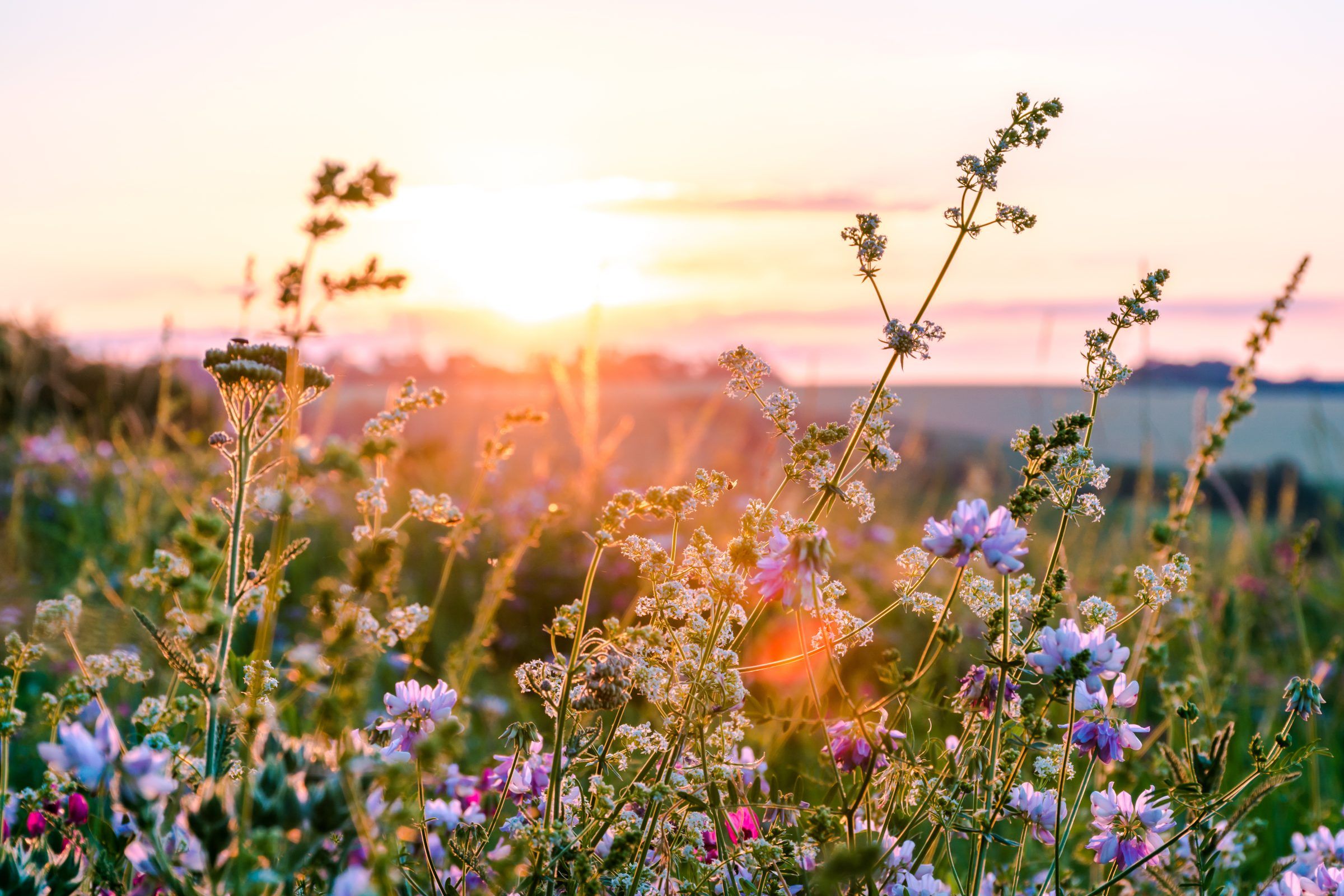
Empathetic design should be at the core of hospitality. It’s about seeing the experience through your guest’s eyes, anticipating their needs, and designing spaces that create joy, comfort, and discovery. This was a concept that truly clicked for me when I founded a software company—solving problems by designing experiences tailored to the user. In hospitality, the same principle applies. When we design with empathy, we create environments that resonate deeply, ensuring guests feel understood, inspired, and connected.
One of the most powerful ways to apply empathetic design is through nature. Nature is not a one-size-fits-all experience. How we connect with the outdoors changes throughout our lives, shaped by our developmental stage, past experiences, and personal preferences. A young child’s experience of nature is vastly different from that of an adult seeking relaxation or an adventurer craving challenge. Understanding these differences allows us to create more tailored, impactful experiences for every guest. This heightened sensory experience in nature is deeply rooted in our evolutionary past. For early humans, survival depended on their ability to detect subtle changes in their surroundings—shifting shadows, the rustling of leaves, or the scent of fresh water. These instincts remain hardwired in us today, making nature an environment where our senses are fully engaged, heightening awareness and memory formation. This evolutionary connection explains why time spent in nature can feel so immersive and why it has such a profound impact on our emotions and well-being.
In a world dominated by technology and constant connectivity, people are seeking refuge in nature more than ever. Yet modern lifestyles have drastically reduced our exposure to natural environments. Urbanization, screen dependency, and indoor routines contribute to what researcher Richard Louv calls Nature-Deficit Disorder—a lack of time in nature linked to anxiety, attention disorders, and declining mental well-being. This is particularly pronounced in early childhood development, making it essential for hospitality brands to consider how they can foster meaningful outdoor experiences for their youngest guests.
With that in mind, let’s dive into how nature influences human development across different life stages, starting with childhood.
Resorts that cater to families have a unique opportunity to create lasting guest loyalty by fostering deeper connections with nature for their youngest visitors. But this goes beyond the typical “kids’ club” or standard playgrounds. It’s about offering experiential learning and opportunities for safe, unstructured play in nature—the kinds of moments that spark curiosity, creativity, and lifelong memories.
Birth to Age 5: The Foundation of Connection
Early childhood is a critical period for cognitive and emotional development, and nature plays a fundamental role in this process. According to Jean Piaget’s Theory of Cognitive Development, young children learn through sensory-motor exploration—touching, smelling, and hearing the world around them. Time spent outdoors strengthens this development, improving sensory integration, fine motor skills, and problem-solving abilities.
Researcher Richard Louv has shown that children who spend less time outdoors experience higher rates of anxiety, attention disorders, and reduced creativity. Similarly, Erikson’s Psychosocial Development Theory highlights early childhood as a crucial stage for building trust and autonomy.
How are you integrating nature experiences that provide a safe yet stimulating environment where young children can explore freely, fostering confidence and resilience?
Designing for Families: Creating Meaningful ‘Plan B’ Experiences
If you’re in the outdoor hospitality industry, you’re in a prime position to cater to young families—but it has to be intentional and reinforce your brand. Parents often plan for the perfect outdoor adventure—a day at a national park or a scenic hike—but with young kids, plans can change in an instant. What does your resort offer on property to serve as an engaging, enriching “Plan B” when the big adventure doesn’t go as planned?
Even if a national park isn’t at your doorstep, a well-designed nature space can provide an immersive, hands-on experience that captures the magic of the outdoors in a manageable, accessible way. A few key considerations:
- Small, naturalized areas with soft paths where parents and toddlers can explore at their own pace. As part of a learning landscape project we are working on, the kids prioritized a landscape that provide a sense of
- Progressive trail experiences, with some stroller-friendly paths and others designed for sensory exploration—featuring different textures, colors, shadow patterns, and sounds. Remember that small paths can feel like big adventures for little kids.
- Interactive elements that connect kids with local wildlife—think hidden discovery nodes with art, signage, or playful elements that encourage exploration.
- Themed storytelling zones, developed in collaboration with local authors, historians, or artists, where children can engage with rotating seasonal stories or folklore tied to the region. Storybook themed garden spaces are lots of fun!
Nature Play: More Than Just a Playground
Nature play areas provide an incredible opportunity to deepen a child’s connection with the outdoors while reinforcing a resort’s unique brand story. These spaces should go beyond the standard playground model and incorporate organic, sensory-rich experiences that invite kids to engage, create, and explore.
- Tactile Play Areas: A dedicated space where young children can dig in the dirt, play with sand and water, or engage with natural materials to build and “plant.” Incorporating both ground-level and raised elements ensures accessibility for kids of different abilities.
- Active Nature Play Zones: Soft-surfaced areas with simple climbing structures made of natural materials—integrated seamlessly into the landscape—can encourage movement while maintaining a natural aesthetic. Thoughtful enclosure and shaded seating for parents add comfort and peace of mind.
- Partnerships with Nonprofits: Collaborate with organizations like the National Wildlife Federation to incorporate age-specific educational content, scavenger hunts, and themed collections that encourage families to engage with nature—not just at your resort, but across multiple properties, reinforcing brand loyalty.
By prioritizing immersive, nature-based play experiences, resorts can provide families with more than just a stay—they offer a place where childhood memories are made, sparking curiosity and a lifelong love for the outdoors.
Stay tuned for the next post when I will provide some additional insights into specific amenity programming connected to nature for the middle childhood, a key age of creativity and independence.